productlist

EMD material: which specifications matter?

EMD material

EMD material, or electrolytic manganese dioxide, cannot be assessed by its name alone. A buyer needs to know what the material will do in the intended process and how the proposed specification was measured. In battery applications, for example, chemical purity is only part of the discussion: moisture, particle characteristics and electrochemical behavior may also affect processing or performance. Requirements for a different application may place a different weight on those same measurements. QingChong New Materials is a Chinese manganese chemical manufacturer integrating R&D, production and sales. This page is a guide to the questions worth settling before requesting an EMD specification, not a claim that a particular grade is available. No EMD product datasheet or grade-specific test results were supplied for this page, so numerical limits would be misleading. Start with your application, the specification currently accepted by your process and the test methods your team uses. That gives both sides a basis for discussing whether a proposed EMD material can be evaluated against your actual requirements.

Technical Detail

Configured around process stability, mold life, and long-term uptime.

A grade name is a starting point, not proof that two EMD materials will behave alike. For purchasing teams, the more useful comparison is between documented requirements and documented test results. A specification should identify the measured property, its unit, the applicable test method and the acceptance limit. A reported value has limited meaning without those details; moisture results, for instance, depend on how the sample is prepared and tested. Particle-size results also need an identified measurement method before figures from different sources can be compared fairly. Where your process is sensitive to trace constituents or electrochemical behavior, request evidence for those properties rather than assuming a general description covers them. QingChong New Materials describes its business as integrated R&D, production and sales, backed by a strict quality control system. It is based in the Xiangtan Manganese Mine area and reports more than 20 years of manganese-industry experience. Those are relevant company facts, but they do not establish an EMD grade, available particle-size range or guaranteed chemical result. The company also reports ISO9001:2008 quality management system certification passed in July 2010; that historical certification should not be read as confirmation of a current certificate or product-specific approval. For a sound comparison, ask for the current EMD datasheet and a lot-specific certificate of analysis, if available. Check each result against your own acceptance criteria, and resolve differences in units or test methods before drawing conclusions about equivalence.

Electrolytic Manganese Dioxide (EMD)

What EMD material test figures actually describe

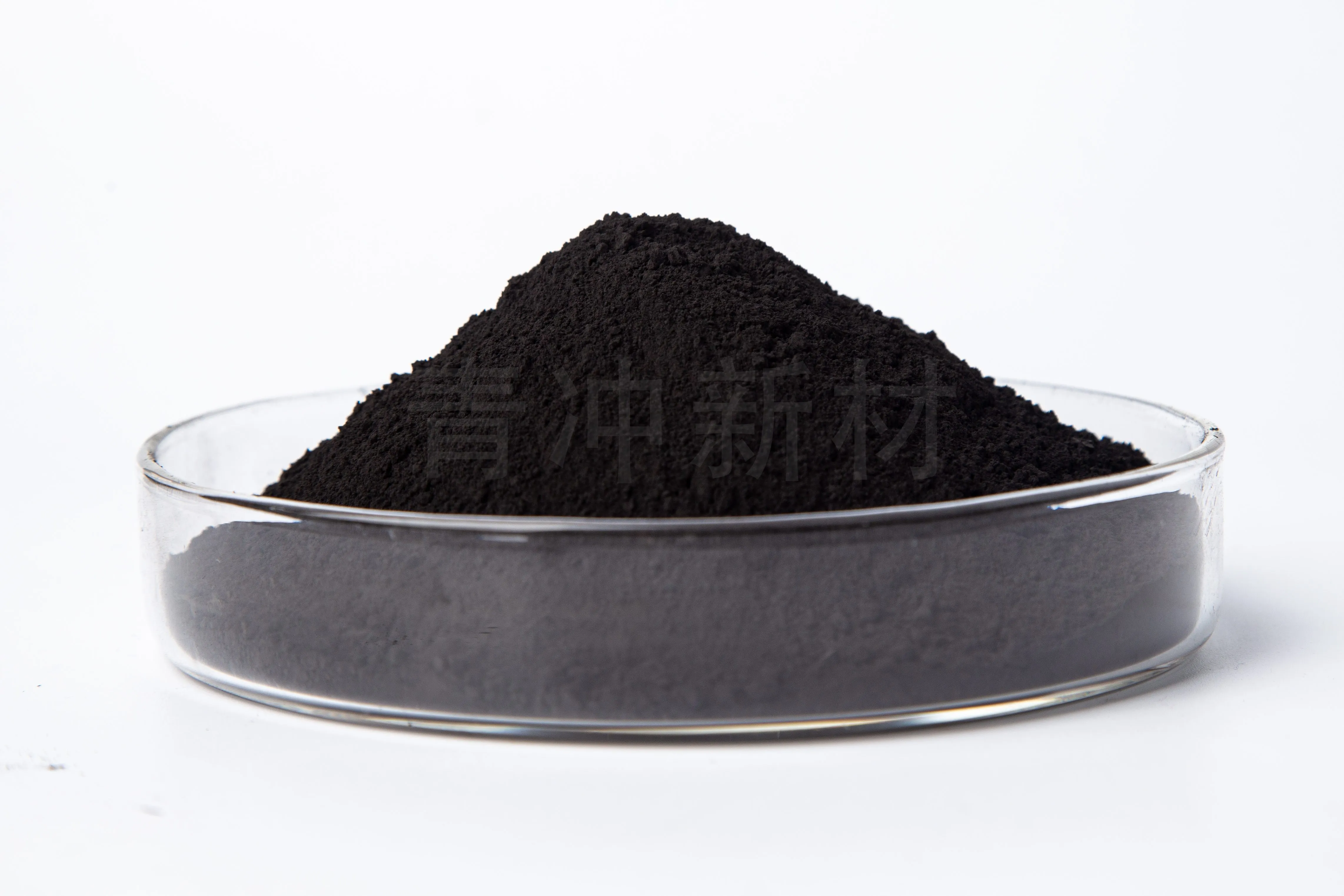
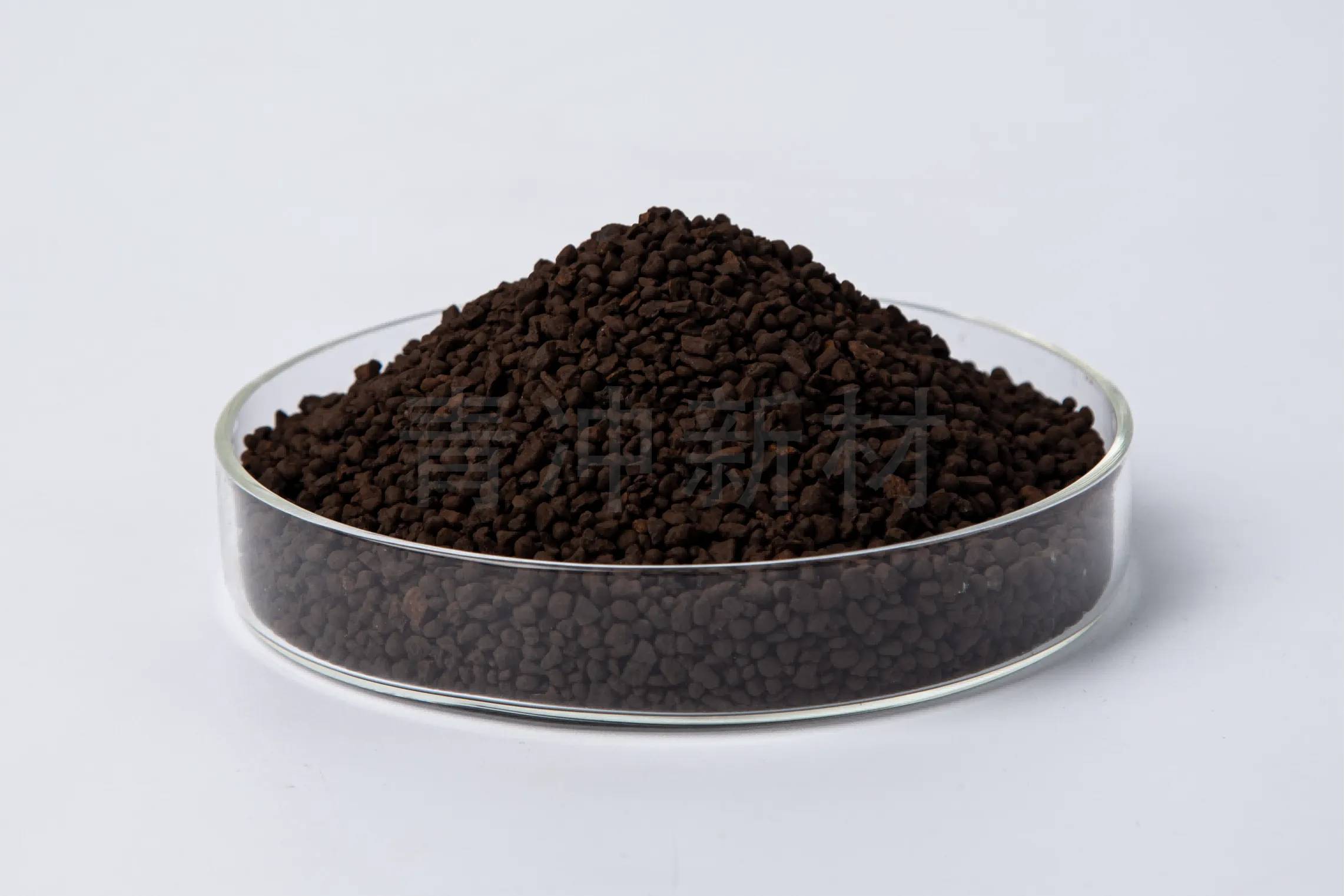
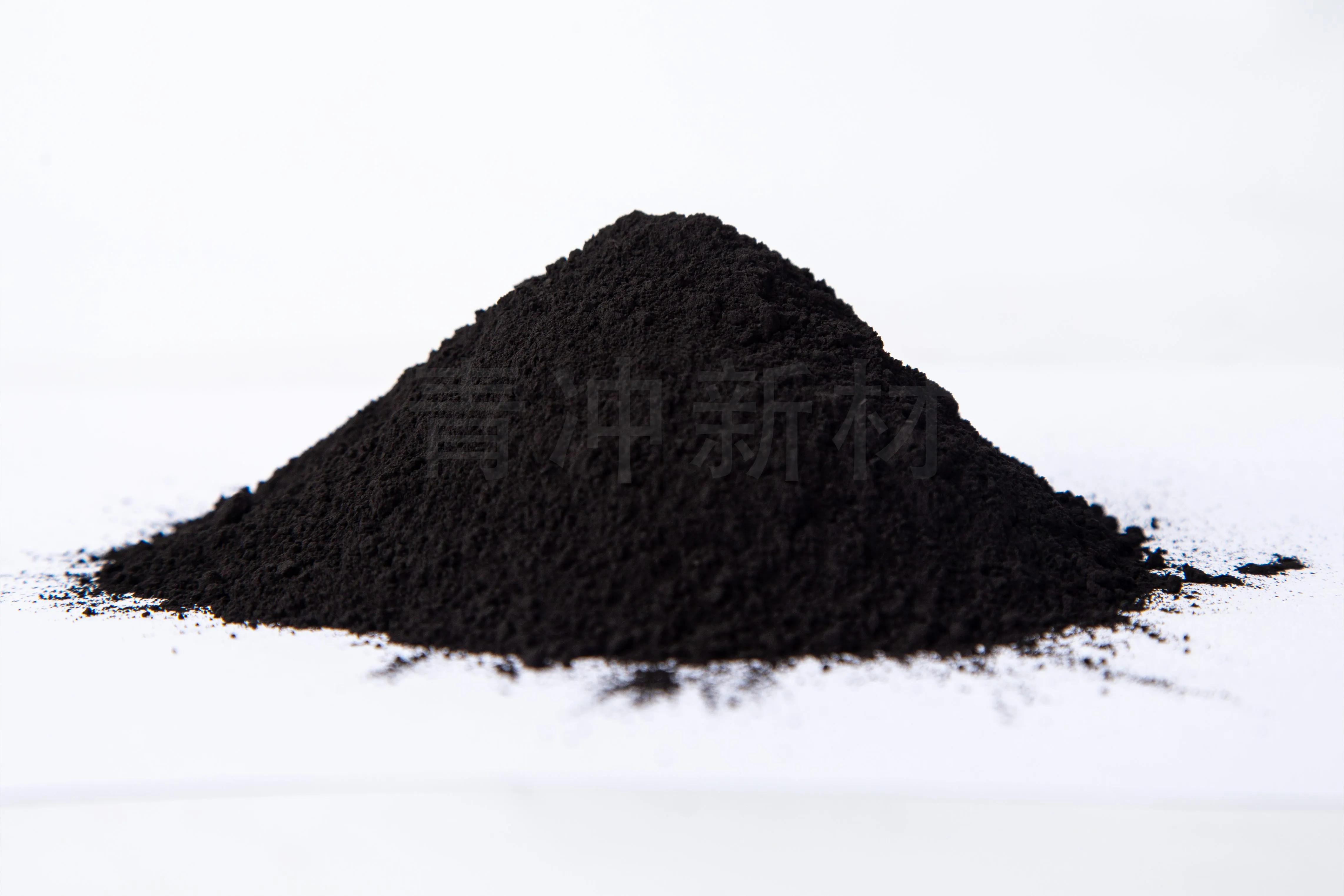
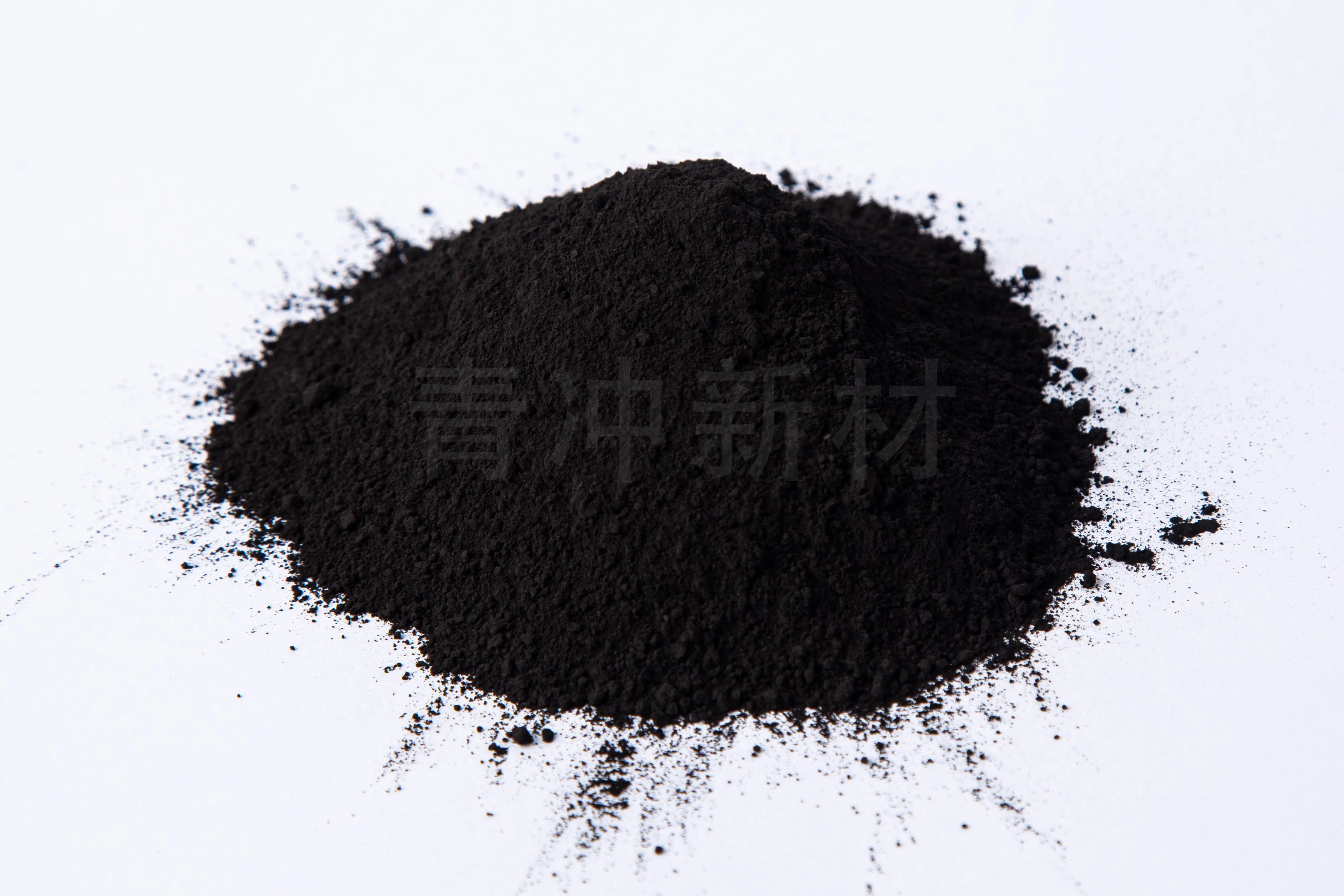
EMD is produced by electrochemical deposition of manganese dioxide. That production route explains the term electrolytic, but it does not define a single set of properties for every batch or supplier. Specifications are needed to describe the material actually being offered. MnO2 content and selected impurity results describe chemical composition. Moisture indicates water present under the stated test conditions. Particle-size distribution describes how much material falls within measured size ranges; it is more informative than a single size figure when a process depends on powder handling. Bulk density, where relevant, describes how the powder occupies a given volume under a defined measurement procedure. An application may also require performance tests that cannot be inferred from a composition figure alone. These are examples of parameters a buyer may need to discuss, not published QingChong EMD values. Units matter: a percentage, a parts-per-million result and a particle-size measurement answer different questions. So do test conditions. Before interpreting a figure, identify whether it is a specification limit, a typical value or a result from a particular lot. Without that distinction, a number can appear precise while providing little basis for material approval.
Electrolytic Manganese Dioxide (EMD)

Match EMD material limits to the operating conditions

The right EMD material specification depends on where a deviation would cause trouble in your process. For a battery-material evaluation, composition and relevant electrochemical testing may carry substantial weight, but their importance depends on the cell design and validation protocol. A powder-fed process may be more sensitive to particle-size distribution and moisture because those properties can affect feeding, mixing or storage. Neither example establishes suitability on its own. Assess the full operating context: the intended use, processing steps, storage conditions and the variation your process can tolerate. Then distinguish a mandatory acceptance limit from a preferred target. If a requirement was developed using one test method, a result obtained under another method may not be directly comparable even when the property name matches. Consider interactions as well: a satisfactory composition result does not rule out a handling problem associated with moisture or powder characteristics. No EMD grade-specific limits or application approvals were provided for QingChong, so the fit of any offered material remains unverified until its current documentation and, where necessary, representative samples are assessed under your conditions.

Electrolytic Manganese Dioxide (EMD)

Prepare an EMD material specification request

Send QingChong a written requirement that starts with the end use and the properties your team treats as acceptance criteria. For each required property, include the limit or target, unit, test method and whether the criterion applies to every lot. If you have an approved reference material, share its specification and explain which results are essential to match; a grade name by itself may conceal differences in measurement or intended use. State any sample-handling or packaging constraints that affect your evaluation, and identify the documentation your approval process requires. Ask which EMD material grades, if any, are currently offered for that use, then request the applicable current datasheet and available lot-specific test results. Mark any unanswered item as pending rather than treating it as compliant. QingChong reports integrated R&D, production and sales operations and a strict quality control system, which provides a basis for directing technical and documentation questions to the manufacturer. It does not, without supporting records, confirm a particular EMD specification, test capability or supply arrangement. Before issuing a purchase order, agree on the exact specification revision and the method for resolving any difference between your test results and supplied documentation.

News

Industry updates

Products

Production modules

Why Choose Us

Why discuss EMD material requirements with QingChong?

QingChong New Materials works across R&D, production and sales in manganese chemicals, so buyers can frame a technical inquiry around both the intended use and the records needed for purchasing review. The company reports more than 20 years of industry experience and a location in the Xiangtan Manganese Mine area, a major manganese production base in China. It also describes a strict quality control system and an export-oriented presence supported by a website in 14 languages. These are useful reasons to begin a supplier conversation, particularly when requirements must be communicated across teams or markets. QingChong reports passing ISO9001:2008 quality management system certification in July 2010 and obtaining National High-tech Enterprise status in September 2019. It also reports invention patents developed with local universities. Those statements describe company background, not an EMD product certification or a currently verified certificate status. A purchasing decision should still rest on the current grade documentation, agreed test methods and evidence relevant to the actual material offered. Ask for those records and evaluate them against your own approval procedure before treating the material as qualified.

FAQ

Common technical questions

Can I compare two EMD material grades using MnO2 percentage alone?

No. MnO2 content addresses composition, but two materials with similar figures may differ in moisture, particle characteristics or results from application-specific tests. Compare the properties your process relies on using the same units and test methods.

Is EMD material suitable for my battery application?

That depends on your cell design and acceptance protocol. Share the required chemical and performance criteria, then evaluate current grade documentation and representative material under your own test conditions. No QingChong EMD battery-grade specification was provided here.

What should I check before testing an EMD material sample?

Record the sample identity and lot, keep the supplied handling information with it, and test against a written method and acceptance criteria. This makes your results easier to compare with the supplier's documentation.

What information should I send to request the correct EMD specification?

Provide the end use, required property limits, units, test methods and any approved reference specification. Ask QingChong to identify the current grade and documentation available for review; do not assume a grade or limit from the term EMD material alone.

Need a solution for your project?

Share your product type, target capacity, and application requirements. Our team can review the details and recommend a practical next step.

Contact Us
Whatsapp
WeChat

CONTACT US

Office Address:21/F,Zhonghan Fortune Building,Ji'an Road, Yuetang District,Xiangtan,Hunan,China

Factory Address: Heling Town, Yuhu District, Xiangtan City, Hunan Province, P.R.China

WhatsApp: 8613786275365

Fax: 86-731-52326088

E-mail: [email protected]