 EN
EN
 CN
CN
 fr
fr es
es ar
ar ru
ru de
de pt
pt tr
tr vi
vi it
it ja
ja ko
ko hi
hi
What the Electrolytic Route Tells You—and What It Does Not
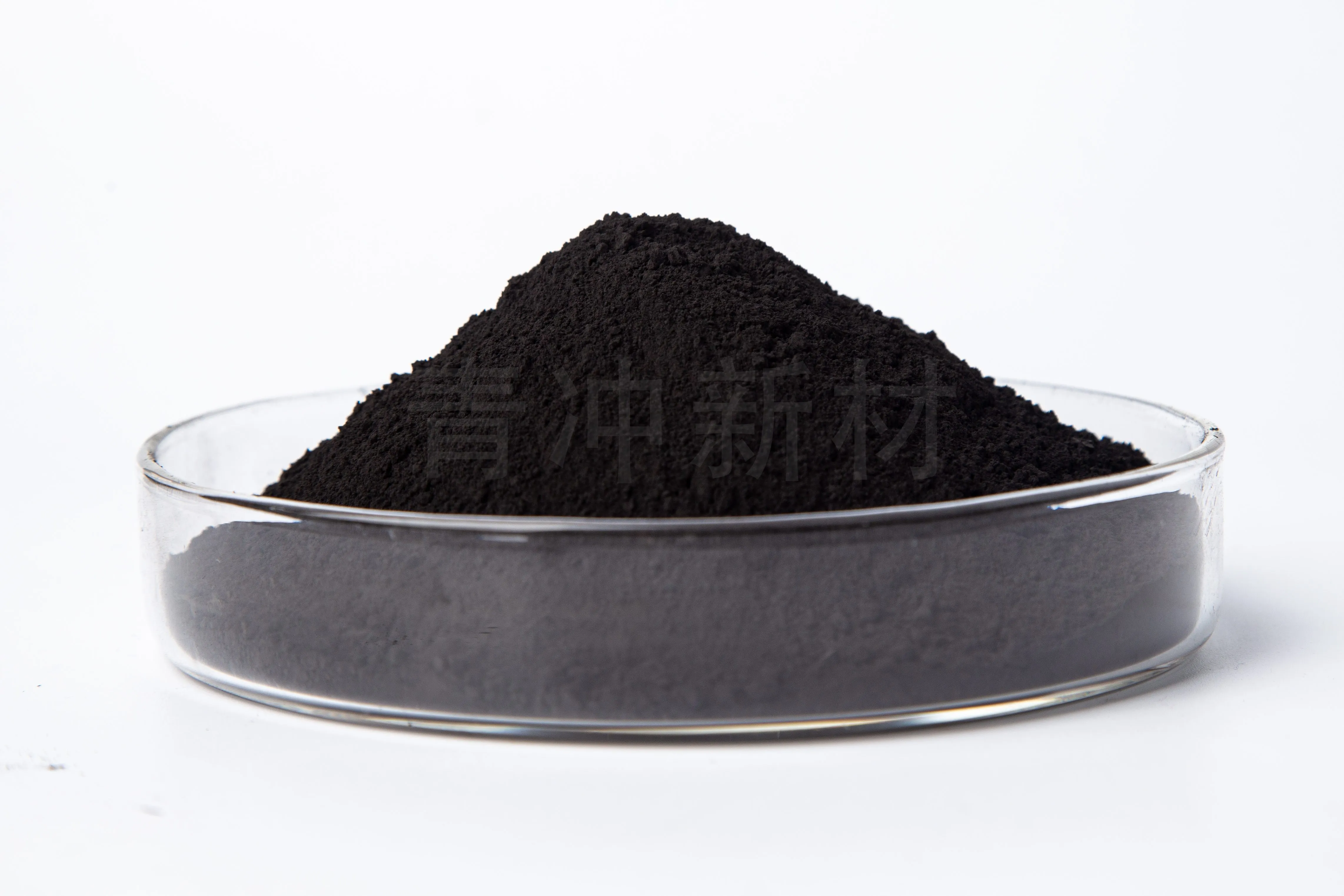
The word “electrolytic” describes how the manganese dioxide is produced; it does not describe the full behavior of a finished catalyst. In a catalytic application, a manganese dioxide surface may participate in reactions at the interface between the solid and the process stream. Whether a particular EMD performs that role depends on the reaction and on properties that have to be measured for the grade being supplied. A buyer might therefore ask about chemical composition and physical form as separate subjects. Composition helps identify what material is present and what else may accompany it. Physical form affects how the solid can be handled and exposed to the feed. A reported property is meaningful only when its test method and sample basis are clear. QingChong combines manganese-chemical R&D and manufacturing, but the information supplied here does not identify a proprietary catalyst mechanism or a tested catalyst grade. The practical reading of the product name is narrow: it identifies a candidate material for investigation. It does not prove that the material is ready for direct use in a reactor, filter, or formulated catalyst.