productlist

feed additive manganese (II) carbonate: What Buyers Must Verify

feed additive manganese (II) carbonate

A mineral ingredient can have the right chemical name and still be unsuitable for a feed formula. For buyers searching for feed additive manganese (II) carbonate, the distinction is between manganese carbonate as a chemical substance and a batch documented for the intended feed use. Manganese is a trace mineral used in animal nutrition, but its inclusion in a finished feed depends on the species, the rest of the diet and applicable local rules. The ingredient name alone does not establish purity, permitted use or a recommended inclusion rate. QingChong New Materials is a Chinese manganese chemical manufacturer with integrated R&D, production and sales operations. The information supplied here does not identify a specific feed-grade manganese carbonate product or provide its specifications. This page therefore sets out the questions a feed mill, premix producer or ingredient distributor should resolve before treating an offer as suitable. Start with the intended market and formulation, then request documentation for the exact material and batch under consideration. That sequence makes a technical review more useful than relying on a product name in isolation.

Technical Detail

Configured around process stability, mold life, and long-term uptime.

Feed additive manganese (II) carbonate refers to manganese carbonate, commonly written as MnCO3, being considered as a source of manganese in animal feed. The term describes a possible use; it does not, by itself, identify a verified feed-grade product. QingChong New Materials focuses on manganese chemicals and operates from the Xiangtan manganese-producing area. Its integrated R&D, production and sales model, more than 20 years of industry experience, and stated strict quality control system provide relevant company context for a buyer assessing a manganese ingredient. They are not substitutes for a specification covering this particular substance. No product sheet has been supplied for its manganese carbonate. Consequently, this page cannot state an assay, particle-size range, impurity limit, packaging format or guaranteed feed suitability. Those points need to come from a current specification and, where appropriate, batch-specific test results. The practical distinction for procurement is straightforward: a chemical designation tells the form of manganese, while feed acceptance requires evidence that the supplied material meets the buyer's formulation needs and the rules of the destination market. A premix manufacturer may need processing information as well as analytical results; a distributor may need documents its customers can use for their own compliance checks. Both should request confirmation of the offered grade before comparing quotations or approving a supplier.

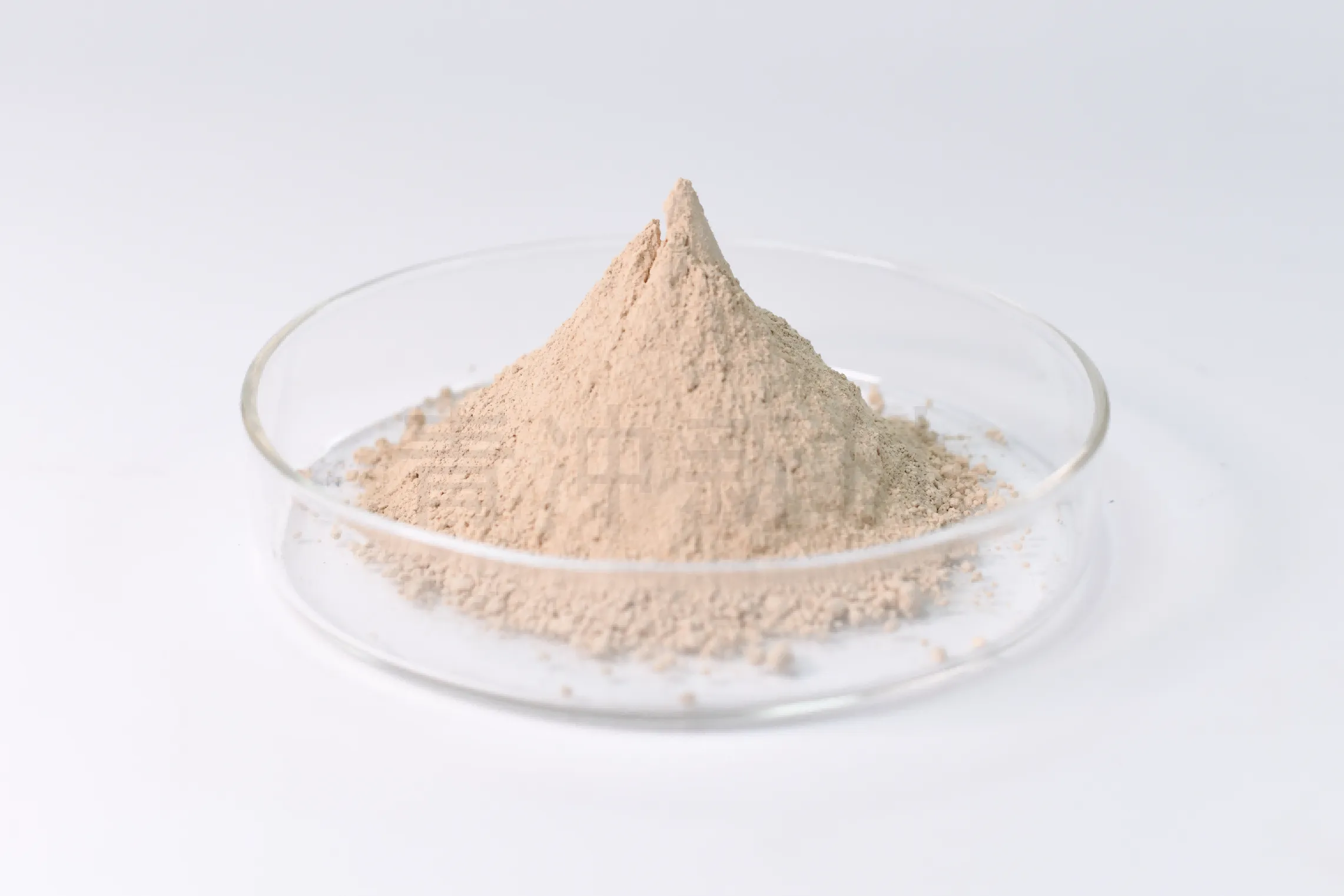
Manganese Carbonate (MnCO₃)

How manganese carbonate behaves in a feed formula

Manganese (II) carbonate is a compound of manganese and carbonate. In a feed context, its proposed role is to supply manganese, rather than to act as a complete nutritional formulation. Chemical identity matters because different manganese compounds can behave differently during processing and digestion; a manganese value on a label does not make every source interchangeable. Carbonates generally have limited solubility in water and react under acidic conditions. That general chemistry helps explain why a buyer should examine how an ingredient will be incorporated and assessed, but it does not establish the performance of an untested batch in an animal. Physical form matters too. A powder that is difficult to distribute evenly can create a different manufacturing problem from a chemically unsuitable ingredient, even when both are called manganese carbonate. No particle-size or handling data has been provided for QingChong New Materials' manganese carbonate, so its behavior in a specific premix cannot be inferred here. Likewise, the formula MnCO3 identifies the compound; it is not a measured declaration of the manganese content of a commercial shipment. An actual batch may require testing for composition and unwanted substances before its nutritional contribution can be calculated. Understanding those distinctions keeps chemical identity, manufacturing behavior and measured feed value separate.
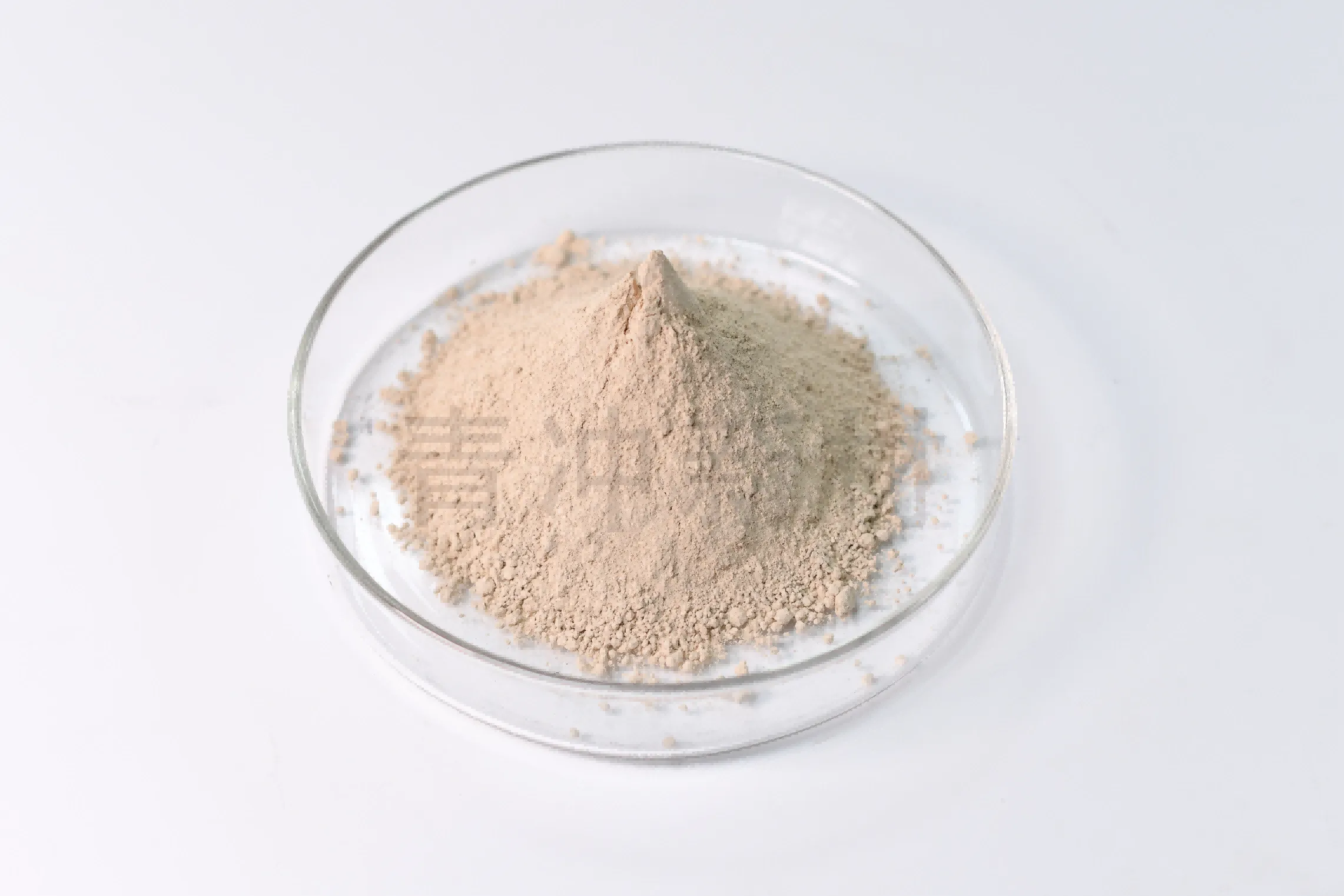
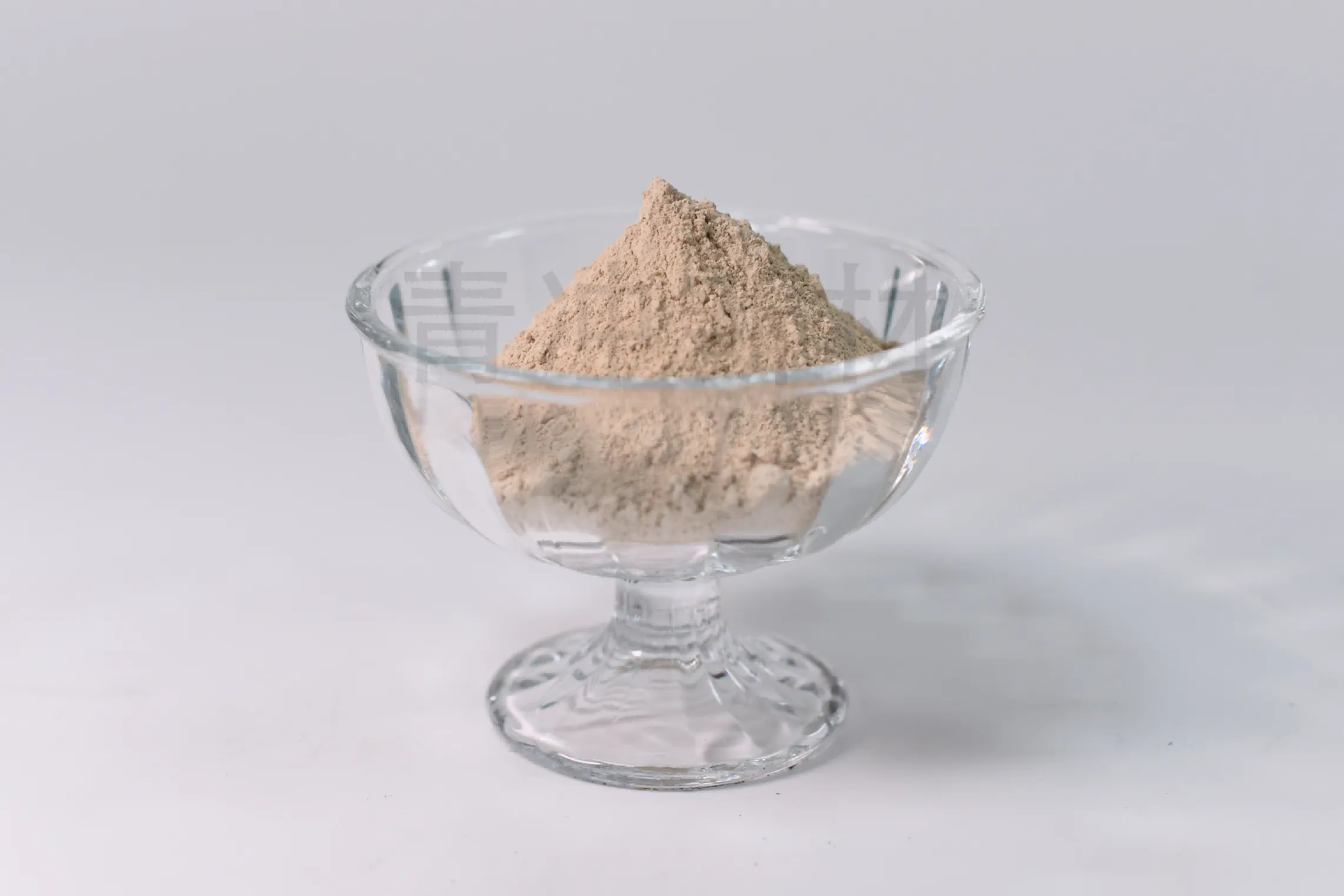
Manganese Carbonate (MnCO₃)

Where feed use needs a closer suitability check

A premix plant handling small additions of trace minerals has different practical concerns from a facility adding ingredients to a complete feed. For the premix plant, distribution through the carrier and consistency between batches may deserve particular attention. For the complete-feed producer, the assessment also has to account for the total manganese already supplied by other ingredients. Neither setting can be judged from the words manganese (II) carbonate alone. Conditions beyond the mixer matter as well. If a formula is intended for a particular animal species or life stage, the nutrition team should assess the manganese contribution against that formula's requirements. If the feed will be sold across borders, the buyer should check whether the substance and its proposed use are permitted in each destination market. Documentation that is adequate for an industrial chemical purchase may not answer a feed regulator's questions. QingChong New Materials has a stated quality control system, but no feed-specific limits or authorizations have been provided for the material at issue. Suitability therefore depends on matching a verified grade and its test evidence to the formulation, processing route and applicable rules. Until those elements align, feed use should remain an assessment rather than an assumption.

Manganese Carbonate (MnCO₃)

What to send before requesting a feed-grade offer

Prepare a short inquiry that states the destination market, animal species, intended application and whether the material will enter a premix or a complete feed. Include the manganese contribution your formulation requires and the analytical limits your purchasing or quality team applies. This gives QingChong New Materials a defined requirement to review; it should not be treated as confirmation that a matching grade is available. Ask first whether the company offers manganese (II) carbonate specifically documented for the proposed feed use. If it does, request the current specification, a representative or batch-specific certificate of analysis as appropriate, test methods, relevant safety documentation and evidence needed for the destination market's compliance review. Confirm the declared manganese content and the controls for substances of concern against your own acceptance criteria. Where handling affects the process, request available information on physical form and particle size rather than assuming a standard powder specification. Finally, have the nutrition, quality and regulatory teams review the same proposed grade before issuing a purchase approval. This sequence gives both sides a clear basis for discussing a material and prevents an industrial-grade offer, an incomplete test record or a market-specific compliance gap from being overlooked.

News

Industry updates

Products

Production modules

Why Choose Us

A manganese specialist to assess against your feed requirements

QingChong New Materials has worked in the manganese chemical industry for more than 20 years and integrates R&D, production and sales. Its location in the Xiangtan manganese-producing area gives buyers a manufacturer whose stated business is centered on manganese chemistry. For a proposed feed ingredient, that specialization is relevant when discussing chemical identity, analytical requirements and the limits of an available grade. The company also states that it uses a strict quality control system. It passed ISO9001:2008 quality management certification in July 2010 and was certified as a National High-tech Enterprise in September 2019. These are company credentials, not proof that a particular manganese carbonate batch meets feed regulations; buyers should request current, product-specific evidence separately. QingChong reports multiple invention patents obtained in cooperation with local universities, which adds context to its technical background without establishing a feed-specific performance claim. Its 14-language website reflects an orientation toward international buyers. For an importer or premix manufacturer, the practical reason to engage is the opportunity to put a defined manganese requirement before an experienced chemical producer and examine the documentation it can actually provide. Approval should still rest on the offered grade, test results and rules in the buyer's market.

FAQ

Common technical questions

Is manganese (II) carbonate the same ingredient as manganese sulfate?

No. Both contain manganese, but they are different compounds. Compare their documented manganese content, physical behavior and suitability under your feed rules; do not replace one with the other on a weight-for-weight basis without recalculating the formula.

Can I use this material in a poultry premix?

That cannot be confirmed from the information provided. Ask whether QingChong offers a grade documented for poultry-feed use, then have your nutrition and regulatory teams review its specification, test results and the rules for your market.

What should our operators check before adding it to a mixer?

After the material has been approved for use, follow your plant's validated weighing and mixing procedure. Check the received batch against the approved identity and certificate of analysis, and use the supplier's handling information for that specific grade. No mixing rate or procedure has been provided here.

Is a chemical purity figure enough to select a feed-grade product?

No. Purity is only one consideration. Confirm the measured manganese content, relevant limits for unwanted substances, physical properties needed by your process and documentation required in the destination market. Request these for the exact grade offered.

Need a solution for your project?

Share your product type, target capacity, and application requirements. Our team can review the details and recommend a practical next step.

Contact Us
Whatsapp
WeChat

CONTACT US

Office Address:21/F,Zhonghan Fortune Building,Ji'an Road, Yuetang District,Xiangtan,Hunan,China

Factory Address: Heling Town, Yuhu District, Xiangtan City, Hunan Province, P.R.China

WhatsApp: 8613786275365

Fax: 86-731-52326088

E-mail: [email protected]