productlist

Manganese Dioxide Pottery: Assessing Material Fit

manganese dioxide pottery

In pottery, manganese dioxide is a manganese-bearing material that may be considered for ceramic bodies, glazes, or decorative work. The phrase "manganese dioxide pottery" does not identify a single ready-to-use product or guarantee a particular fired color. Results depend on the complete recipe and firing conditions, so a buyer needs to establish the intended use before comparing materials. For a ceramics producer, glaze developer, or purchasing team, the first distinction is between a material being evaluated as a formulation ingredient and a finished ceramic product. QingChong New Materials is a manganese chemical manufacturer, but no pottery-specific grade, particle size, purity, or ceramic performance data has been provided here. Those details should be confirmed before a production decision. This page explains what manganese dioxide can mean in a pottery context, where its suitability needs testing, and what information to send when making an inquiry. It is intended to help buyers frame a technical discussion without treating an unverified material specification as an established fact.

Technical Detail

Configured around process stability, mold life, and long-term uptime.

A pottery inquiry often begins with a visual target: a darker body, a particular glaze effect, or a surface treatment. Translating that target into a material request takes more care. The same manganese-bearing ingredient may behave differently when incorporated into a clay body than when used in a glaze, because its surroundings and firing conditions differ. A sample evaluation therefore needs to reflect the buyer's actual formulation rather than a color expectation alone. QingChong New Materials brings a defined manufacturing background to that discussion. The company integrates manganese-chemical R&D, production, and sales, operates in the Xiangtan Manganese Mine area, and reports more than 20 years of industry experience. It also states that it uses a strict quality control system. These are relevant supplier credentials for a buyer assessing continuity and material documentation, but they do not establish a pottery grade or predict a result in the kiln. No product-specific composition, particle-size distribution, recommended addition rate, or firing range was supplied for this page. Buyers should request the applicable material documentation and evaluate a representative sample against their own ceramic recipe. This separates two questions that are easily confused: whether a manufacturer can discuss manganese dioxide supply, and whether a particular supplied material meets the requirements of a specific pottery process.

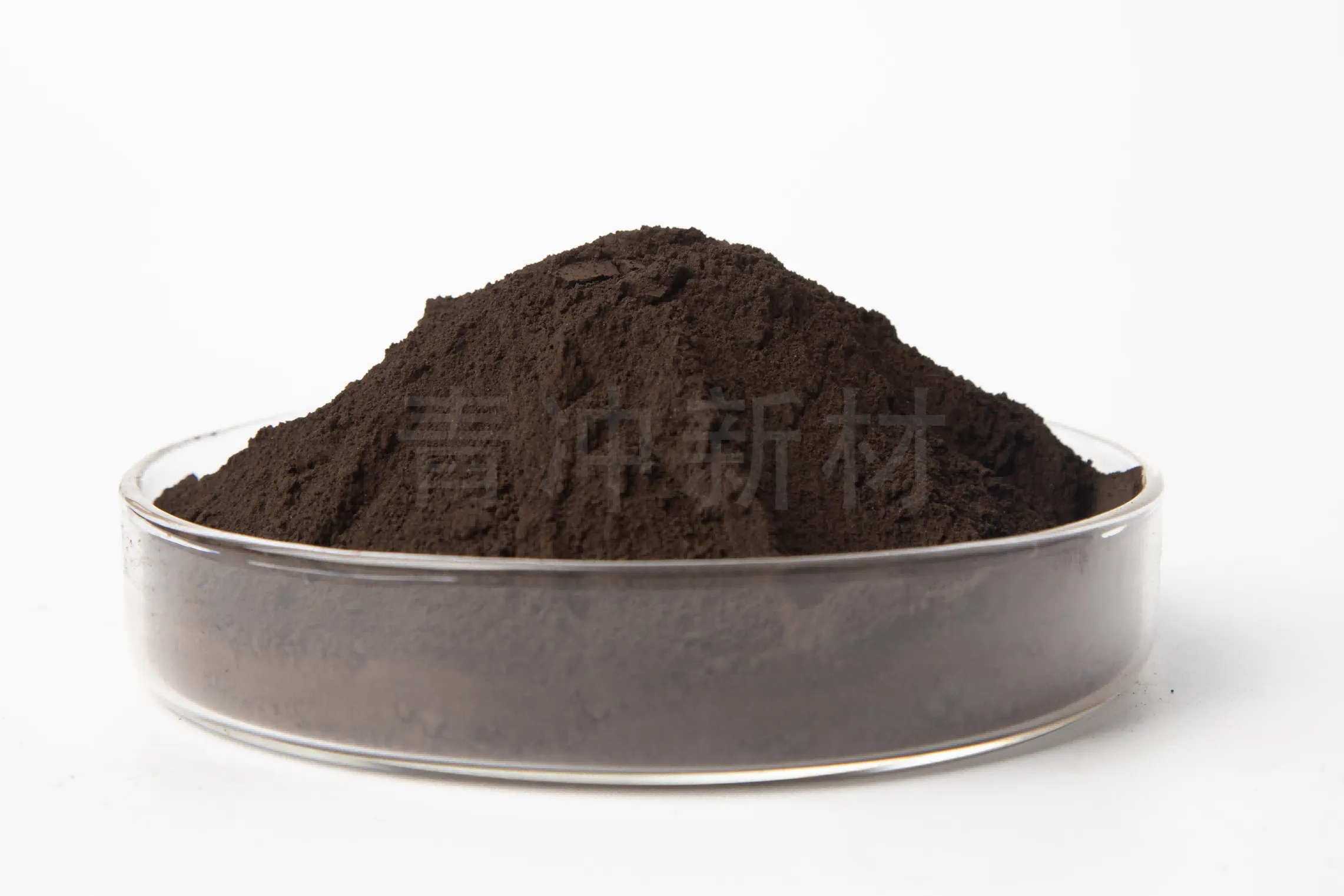
Manganese Dioxide(MnO₂)

What Manganese Dioxide Does in a Ceramic Recipe

Manganese dioxide is a chemical source of manganese. In pottery, manganese-bearing materials may contribute to coloration or surface effects, but the observed result comes from the whole ceramic system. Clay composition, other glaze ingredients, application thickness, and the firing atmosphere can all influence how a test piece looks after firing. Heat can also change the chemical state of manganese compounds, so the name on an ingredient list should not be read as a promise that the compound remains unchanged in the finished ware. This distinction matters when comparing a raw-material inquiry with a photograph of a fired tile. The photograph records one recipe and one firing history; it is not a transferable material specification. QingChong manufactures manganese chemicals through integrated R&D and production operations, yet the information provided does not identify a ceramic formulation or a tested pottery result for its material. The useful starting point is therefore to define the ingredient's role in the buyer's recipe and document the result of a controlled firing test.
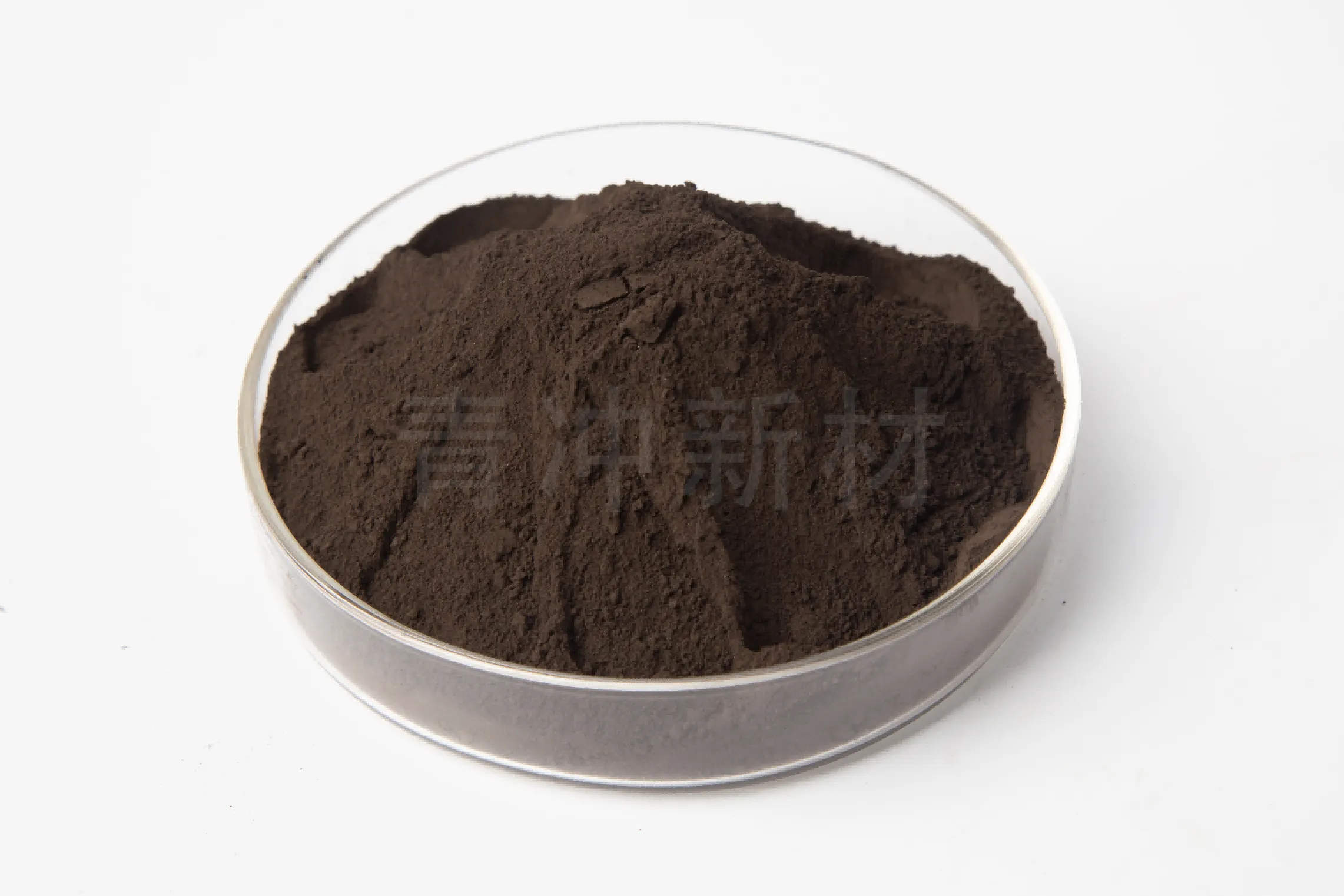
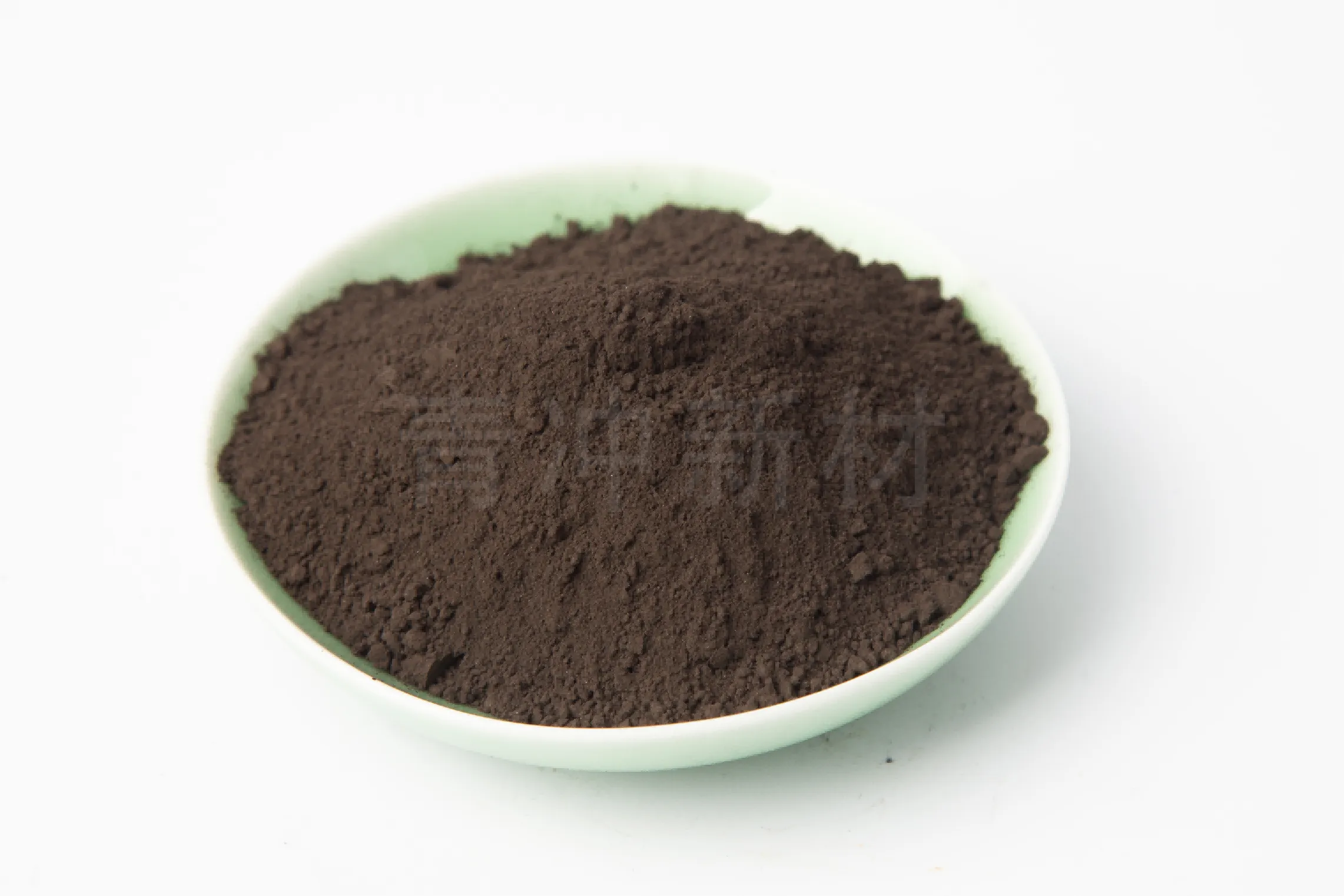
Manganese Dioxide(MnO₂)

Where Suitability Needs to Be Tested

The relevant question is not simply whether pottery can contain manganese dioxide. It is whether the proposed material behaves acceptably in a particular body, glaze, or decorative process. A buyer using a clay body should evaluate the fired appearance alongside defects that matter to that body and forming method. A glaze developer should examine the material within the intended glaze recipe and application method, including any variation between test pieces. Results from one kiln schedule should not be assumed to carry over to another. Ware intended for food contact requires particular caution: this page provides no evidence of food-contact suitability, and any applicable safety or regulatory assessment belongs to the finished formulation and use. Workers should also follow the supplied safety documentation and appropriate dust-control practices when handling ceramic raw materials. QingChong's stated quality control system is relevant to supplier evaluation, but it does not replace these process-specific checks. If the planned use depends on a narrow visual result or a regulatory requirement, obtain the relevant documentation and test before approving the material.

Manganese Dioxide(MnO₂)

What to Send With a Pottery Material Inquiry

Give QingChong a brief description of where the material will be used: clay body, glaze, or another pottery application. Include the current recipe or the information you can disclose, the intended appearance, the firing atmosphere and schedule, and whether the ware has a food-contact use. State what you need to compare, such as composition documentation, particle-size information, consistency between supplied batches, or a safety data sheet. These are points to confirm, not specifications claimed for a QingChong pottery product. If you are replacing an existing material, provide its technical documentation and explain which properties cannot change. If you are developing a new recipe, describe how you plan to evaluate a sample and what would count as an acceptable result. Ask QingChong to identify any material it can offer for review and to provide the documentation applicable to that material. Do not set an addition rate or place a production order solely on the basis of the keyword "manganese dioxide pottery"; first confirm the proposed material's identity and assess it in the intended firing process.

News

Industry updates

Products

Production modules

Why Choose Us

Why Discuss a Pottery Inquiry With QingChong

A pottery buyer needs a supplier discussion grounded in identifiable material information, especially when a search term does not specify a grade. QingChong New Materials combines R&D, production, and sales in manganese chemicals and reports more than 20 years of industry experience. Its location in the Xiangtan Manganese Mine area provides a clear industrial context for that work, while its stated strict quality control system is relevant to questions about manufacturing oversight. The company passed ISO9001:2008 Quality Management System certification in July 2010 and was certified as a National High-tech Enterprise in September 2019. It also reports invention patents obtained in cooperation with local universities. These facts describe the organization; none should be mistaken for certification of a particular pottery material or approval for a finished ceramic article. QingChong's multilingual website and global-market focus may help international buyers begin a technical conversation. The next step remains specific: request documentation for the exact material proposed, then compare that information and sample-test results with the requirements of your own ceramic process.

FAQ

Common technical questions

Is manganese dioxide content alone enough to compare two materials for pottery?

No. A stated content figure does not describe every property a ceramic process may depend on. Request the applicable technical documentation for each offered material, then compare the characteristics relevant to your recipe; no QingChong pottery-grade values have been provided here.

Can I use the same material in both a clay body and a glaze?

Do not assume the results will match. A body and a glaze place the ingredient in different formulations, so test each intended use separately under its actual firing conditions.

How should I handle manganese dioxide during small-batch testing?

Obtain the safety data sheet for the exact supplied material before handling it. Follow its instructions and your workplace's ceramic-dust controls, and label test batches so their recipes and firing results remain traceable.

What should I confirm before selecting a QingChong material for pottery?

Confirm which material QingChong proposes, obtain its applicable technical and safety documentation, and check whether a representative sample meets your formulation and firing requirements. The information supplied for this page does not establish a pottery-specific grade.

Need a solution for your project?

Share your product type, target capacity, and application requirements. Our team can review the details and recommend a practical next step.

Contact Us
Whatsapp
WeChat

CONTACT US

Office Address:21/F,Zhonghan Fortune Building,Ji'an Road, Yuetang District,Xiangtan,Hunan,China

Factory Address: Heling Town, Yuhu District, Xiangtan City, Hunan Province, P.R.China

WhatsApp: 8613786275365

Fax: 86-731-52326088

E-mail: [email protected]