productlist

Manganese Oxides: Match the Material to the Process

manganese oxides

A purchase request for manganese oxides can describe several different materials. Manganese dioxide, for example, is not interchangeable with every other manganese oxide simply because each contains manganese and oxygen. The intended process may depend on oxidation state, crystal structure, impurity limits or how the powder behaves during handling. That makes the end use a better starting point than the material family name alone. QingChong New Materials is a Chinese manganese chemical manufacturer integrating R&D, production and sales. Its stated focus includes manganese dioxide and manganese compounds, but no product-grade specifications have been provided here. Buyers seeking manganese oxides should therefore identify the oxide they need—or describe the performance their process requires—before assuming a particular grade is available. This page is for procurement teams and technical buyers who need to frame that discussion. It explains what the term covers, where application conditions affect suitability, and which documents and requirements to prepare for a useful supplier inquiry.

Technical Detail

Configured around process stability, mold life, and long-term uptime.

Manganese oxides are compounds of manganese and oxygen. The term is a material family, not a purchase specification: manganese dioxide (MnO₂) and other oxides have different compositions and may behave differently in a finished process. For a buyer, the first distinction is between naming an exact substance and naming a desired function. A formulation that calls for MnO₂ gives a clearer starting point than a request for “manganese oxide,” but it still leaves grade-dependent questions open. QingChong New Materials positions itself as a manganese dioxide and manganese compound manufacturer. Based in the Xiangtan Manganese Mine area, it combines R&D, production and sales and reports more than 20 years of industry experience. Those facts make it a relevant contact for buyers investigating manganese dioxide supply or related manganese chemicals; they do not establish that every oxide composition, particle-size range or application grade is available. No assay, packaging specification or application-specific approval has been supplied for this page. If your purchase is for a manufacturing plant, a formulator or a distributor, the useful next step is the same: connect the requested chemical identity to the intended use and ask QingChong to confirm an available product specification. That confirmation matters more than a broad label on a quotation. It allows your technical team to assess the offered material against its own process requirements without treating one manganese oxide as a substitute for another.

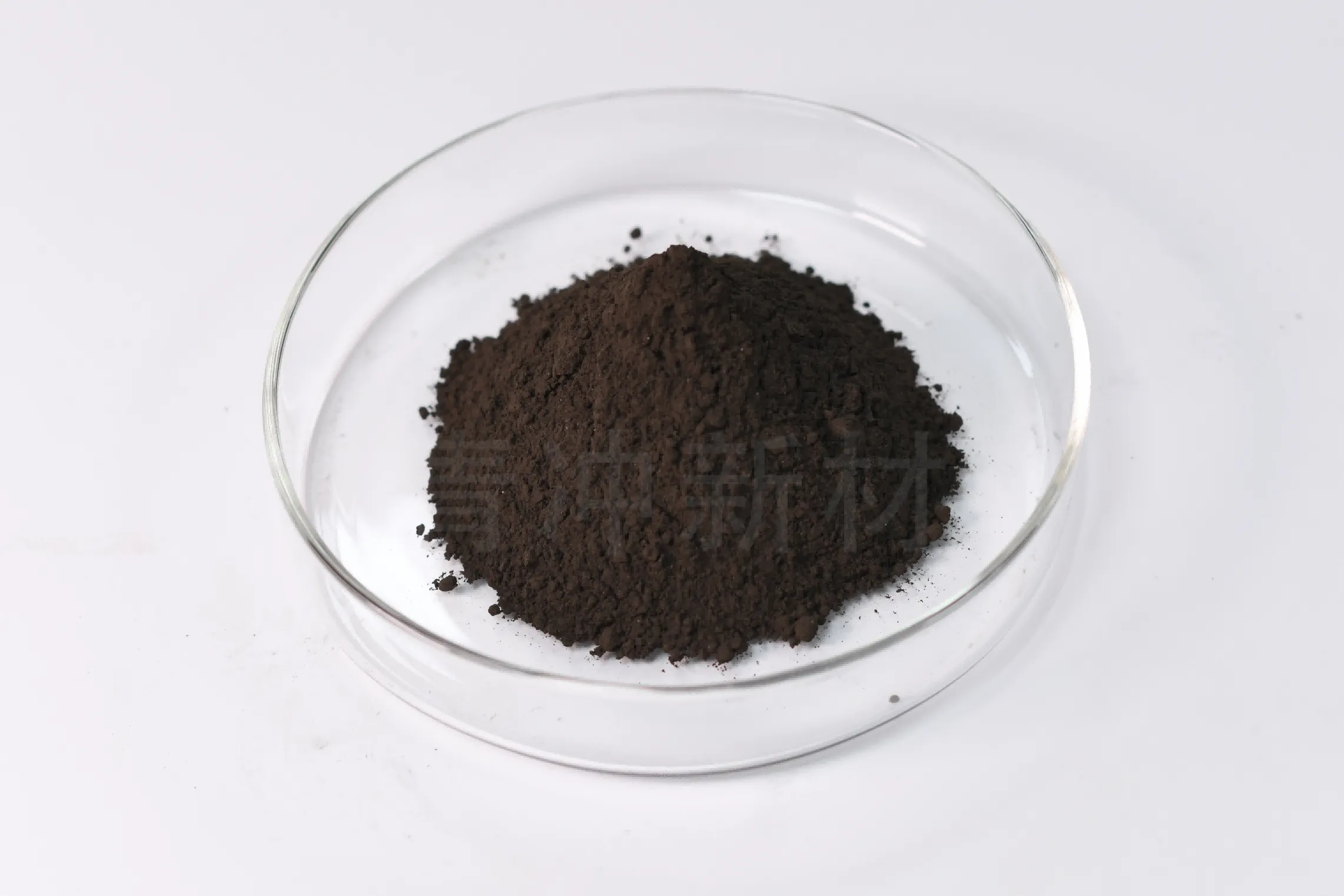
Manganese Oxide(MnO)

Why the Oxide Form Matters

The formula is the first technical detail to settle. MnO₂ identifies manganese dioxide; “manganese oxides” alone does not identify a single composition. Different manganese oxidation states can change a material’s chemical behavior, while crystal structure and physical form can affect how it performs in a particular process. Even within a named oxide, two powders need not behave alike if their particle characteristics or impurities differ. This is why a chemical name should be paired with a grade specification rather than used as the entire specification. A buyer reviewing a process requirement can begin by checking whether it calls for an exact formula, an oxide-content basis or a functional result. Those are different ways of defining a material and should not be silently converted into one another. QingChong’s stated product focus includes manganese dioxide and manganese compounds, but the information supplied here does not identify individual grades or their measured properties. Ask for the proposed product’s technical documentation before drawing conclusions about its oxidation state, composition, physical characteristics or suitability as a replacement for an existing material.
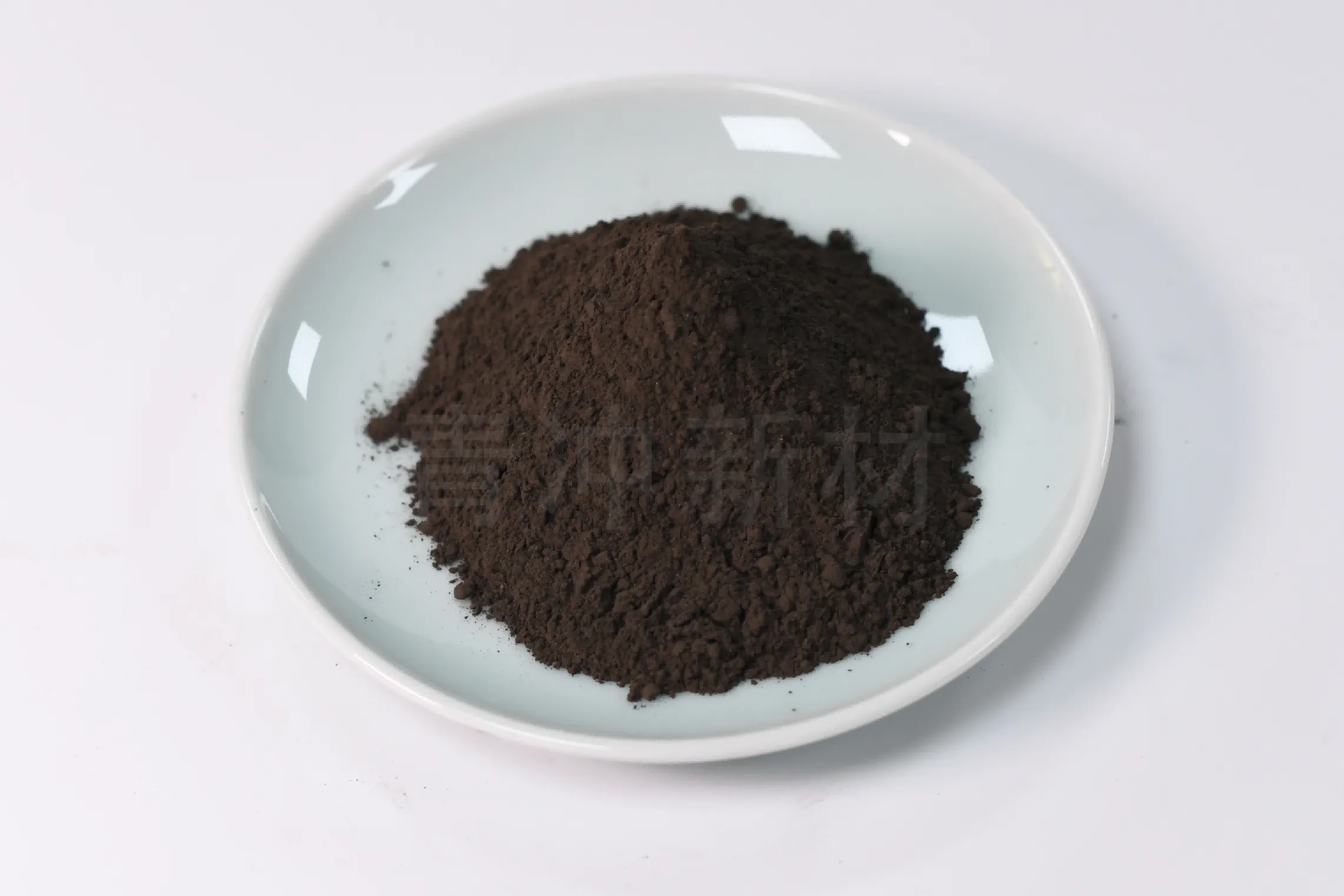
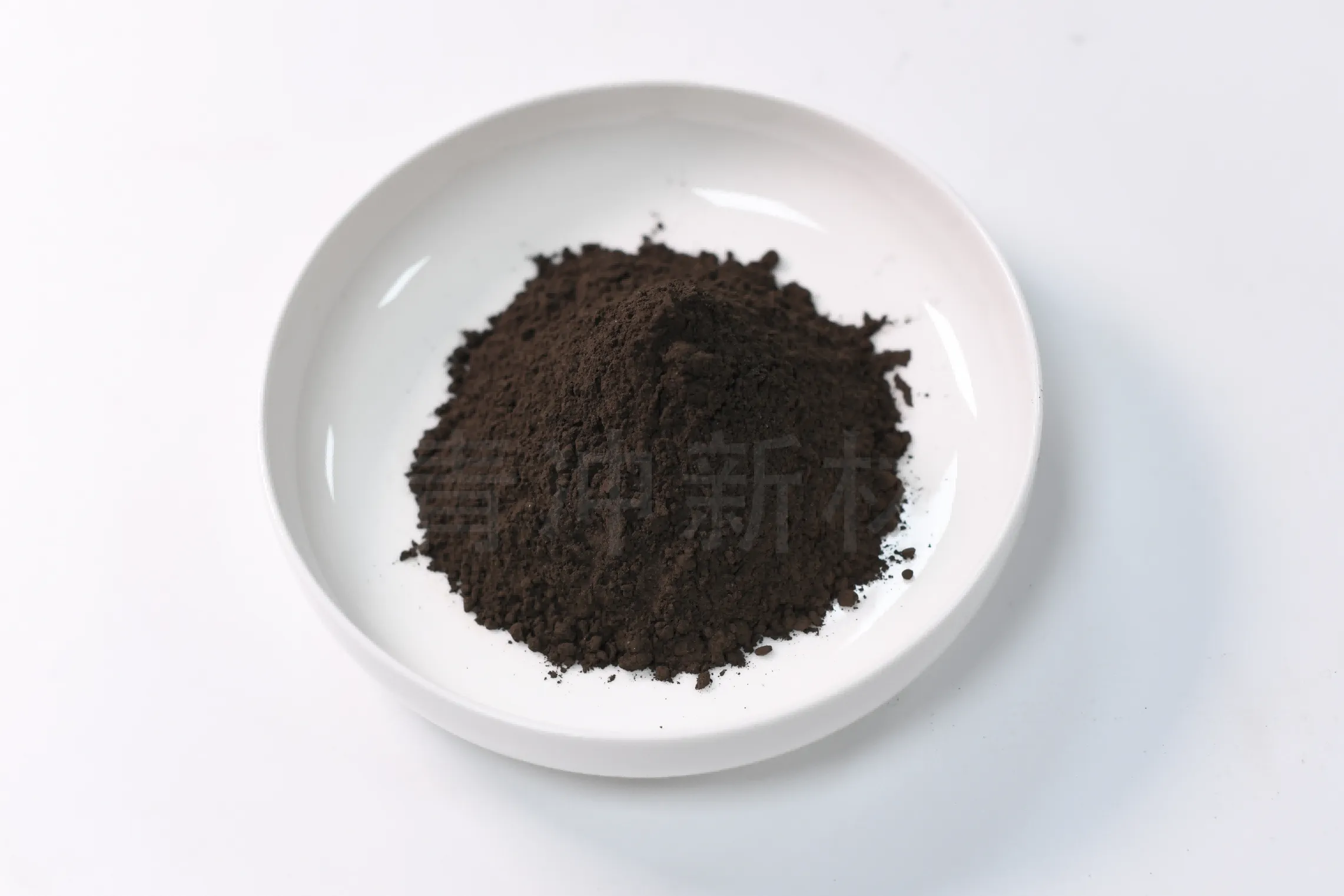
Manganese Oxide(MnO)

Check the Conditions That Could Rule Out a Grade

An oxide that fits the chemical name can still be unsuitable for the operating environment. In a solid-state manufacturing process, the buyer may need to examine how the powder disperses, how it reacts during heating and whether trace constituents affect the finished material. In a liquid-phase process, contact time, pH and the surrounding chemistry may be relevant. Battery-related work can impose its own tightly defined material requirements; a general industrial oxide should not be assumed to meet them. These examples are screening questions, not claims that a QingChong grade is approved for any of those uses. Compare the conditions in which the material will actually be used with the proposed supplier specification and your own acceptance criteria. Pay particular attention to variables your process cannot tolerate: an impurity ceiling, a required particle distribution or a defined chemical form, for example. If those limits are unknown, a laboratory or production trial may be needed under your organization’s qualification procedure. QingChong can be asked to identify a candidate material, but the operating conditions should drive the assessment.

Manganese Oxide(MnO)

Prepare a Manganese Oxides Inquiry That Can Be Answered

Before requesting a quote, state whether you need manganese dioxide specifically or are still evaluating oxide options. Send the chemical formula or existing material specification if you have one. Add the intended application, the process conditions that affect material choice and any mandatory acceptance limits set by your technical team. If a current product is being replaced, provide its specification or a comparison of the properties that must remain unchanged; a trade name on its own may not be enough. Ask QingChong which product it can offer for that requirement and request the corresponding technical and safety documentation for review. Packaging needs, destination market and the planned method of qualification are also worth stating so the discussion addresses the complete purchase requirement. Do not infer an available grade, guaranteed result, price or delivery schedule from this page; none has been specified. Once QingChong has identified a proposed material, your team can compare its documented properties with the application criteria and decide whether sampling or further testing is necessary before ordering.

News

Industry updates

Products

Production modules

Why Choose Us

Why Discuss Manganese Oxides with QingChong?

QingChong New Materials brings several verifiable credentials to an initial supplier review. It is located in the Xiangtan Manganese Mine area, a major Chinese manganese production base, and reports more than 20 years of industry experience. Its integrated R&D, production and sales structure gives buyers a direct context for discussing both technical requirements and supply questions. The company states that it operates a strict quality control system and holds ISO9001:2008 Quality Management System Certification, passed in July 2010. It was certified as a National High-tech Enterprise in September 2019 and has obtained multiple invention patents in cooperation with local universities. These are company-level credentials; they should not be read as certification of a particular manganese oxide grade or approval for a particular application. For international buyers, QingChong also reports global export capabilities and provides a website in 14 languages. Its stated principles put quality and integrity at the center of its business. The practical reason to start a conversation is to use that manufacturing and technical background to identify a documented candidate material—then verify the grade against your own requirements.

FAQ

Common technical questions

Can I use manganese dioxide in place of another manganese oxide?

Do not assume so. Their chemical compositions differ, and a change can affect process behavior. Compare the required formula, grade specification and application test results before approving a substitution.

What should I ask for if I need an oxide for a battery-related application?

Share the requirements set by your battery or component design team, including its required chemical and physical properties. Ask QingChong whether it has a matching grade and supporting documentation; no battery-grade specification or approval has been provided here.

How should manganese oxide powder be stored and handled?

Follow the safety data sheet for the specific product supplied and your site’s powder-handling procedures. Keep containers identified and prevent uncontrolled dust exposure. Do not rely on general handling advice in place of the grade-specific safety document.

Is a higher stated manganese content always the better choice?

No. The reporting basis and oxide identity matter, and your process may also be sensitive to impurities or particle characteristics. Compare complete specifications against the same acceptance criteria rather than ranking materials by one figure.

Need a solution for your project?

Share your product type, target capacity, and application requirements. Our team can review the details and recommend a practical next step.

Contact Us
Whatsapp
WeChat

CONTACT US

Office Address:21/F,Zhonghan Fortune Building,Ji'an Road, Yuetang District,Xiangtan,Hunan,China

Factory Address: Heling Town, Yuhu District, Xiangtan City, Hunan Province, P.R.China

WhatsApp: 8613786275365

Fax: 86-731-52326088

E-mail: [email protected]