 EN
EN
 CN
CN
 fr
fr es
es ar
ar ru
ru de
de pt
pt tr
tr vi
vi it
it ja
ja ko
ko hi
hi
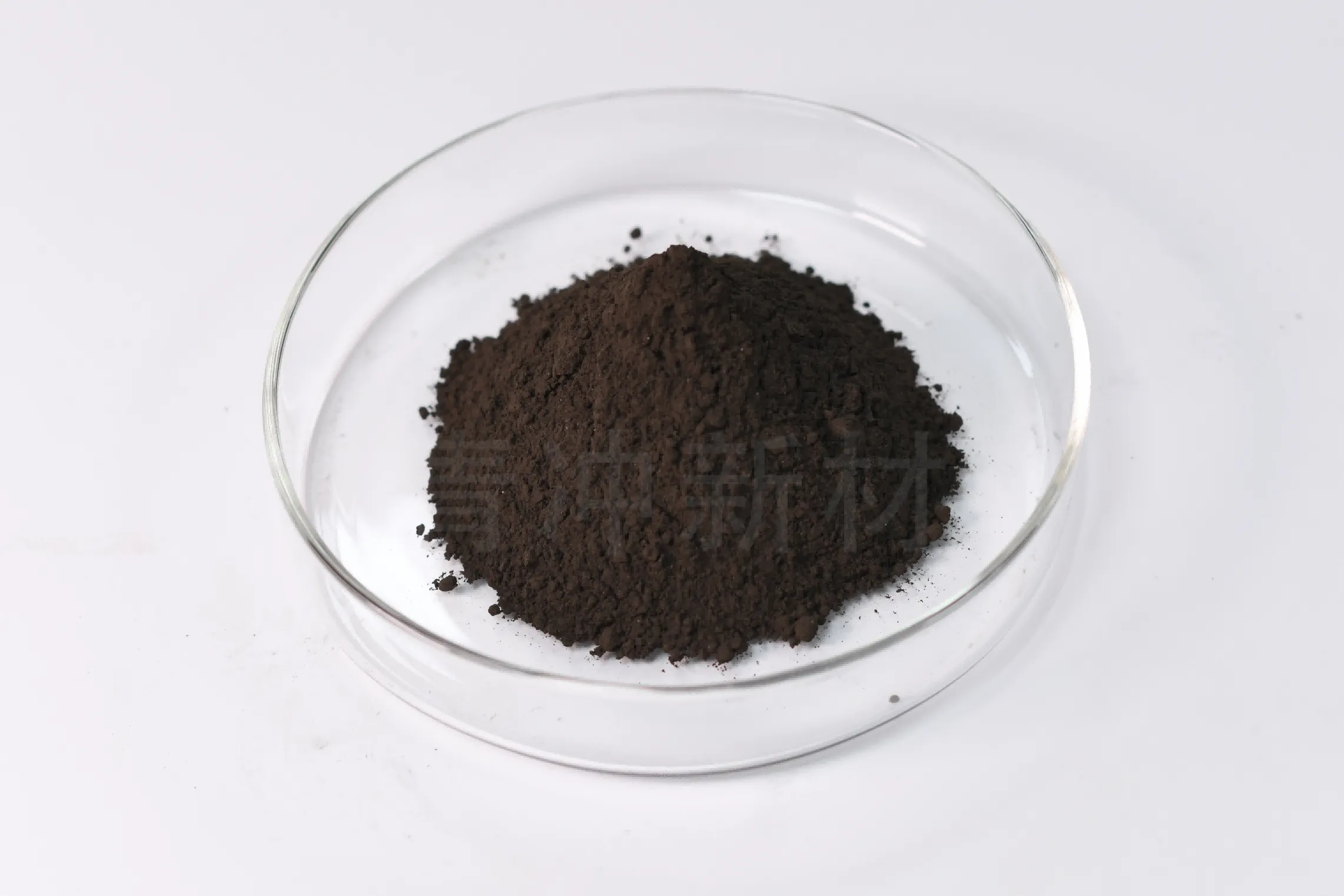
Why Manganese Oxide Stability Has More Than One Meaning
An oxide’s formula is only the beginning of a stability discussion. Manganese can occur in different oxidation states, so a change in temperature or surrounding chemistry may alter which form is favored. Crystal structure matters as well: two samples described by the same broad chemical name need not behave identically in every process. In practice, buyers also use “stable” to mean that a supplied material remains consistent during storage and handling. That is a different question from whether a particular oxide phase persists during heating or chemical reaction. These distinctions explain why the name manganese dioxide, despite QingChong’s positioning as a manganese dioxide and compound manufacturer, cannot by itself establish that it is the most stable manganese oxide for every use. A technical assessment needs a defined environment and a measurable outcome. For example, a process engineer might track whether composition changes during a thermal step, while a receiving team might track whether delivered batches meet the same declared specification. Both are valid concerns, but they require different evidence. With no grade-specific technical file supplied here, this page cannot establish a ranking among oxide forms or verify the behavior of a particular QingChong grade.