productlist

Precursor Manganese (II) Carbonate for Process Evaluation

precursor manganese (II) carbonate

A precursor is chosen for what it becomes in the next process step, not simply for the name on its container. Precursor manganese (II) carbonate refers to MnCO3 considered as a manganese source for further chemical conversion. Buyers developing manganese compounds or evaluating materials for downstream manufacturing need to know whether its composition, impurity profile, and physical form fit their process. A suitable answer depends on the intended reaction and the requirements of the resulting product. QingChong New Materials is a Chinese manganese chemical manufacturer integrating R&D, production, and sales. Its background makes it a relevant company to contact about a manganese-material requirement, but the information provided here does not establish a specific manganese carbonate grade, specification, or availability. Treat this page as a starting point for a technical inquiry, not a product data sheet. Tell QingChong what you plan to make, how the precursor will be processed, and which results must be controlled. Those details give both sides a concrete basis for determining whether precursor manganese (II) carbonate is appropriate and what documentation would be needed before purchase.

Technical Detail

Configured around process stability, mold life, and long-term uptime.

For a buyer making a downstream manganese compound, the useful question is whether a proposed carbonate feedstock can support the required product chemistry consistently. Manganese (II) carbonate, MnCO3, is a manganese-containing compound that can be considered for conversion into other manganese materials. The suitability of any particular supply depends on the downstream route; the compound name alone does not establish battery suitability, a purity level, or an approved end use. Potential buyers include chemical processors and materials-development teams that already have a defined conversion step and need to assess a manganese source against their own acceptance criteria. QingChong New Materials is based in the Xiangtan Manganese Mine area and describes itself as an integrated R&D, production, and sales manufacturer with more than 20 years of manganese-industry experience. The supplied information also states that the company operates a strict quality control system. These are company-level facts, not verified specifications for precursor manganese (II) carbonate. No carbonate assay, impurity limits, particle-size distribution, moisture limit, packaging format, or carbonate-specific certificate of analysis has been provided. Buyers should therefore avoid treating a generic MnCO3 description as evidence that a particular lot will meet their process requirements. A productive inquiry begins with the intended downstream compound and the measurements that determine whether a precursor is acceptable. QingChong can then be asked to confirm whether a relevant material is available and provide grade-specific evidence for review.

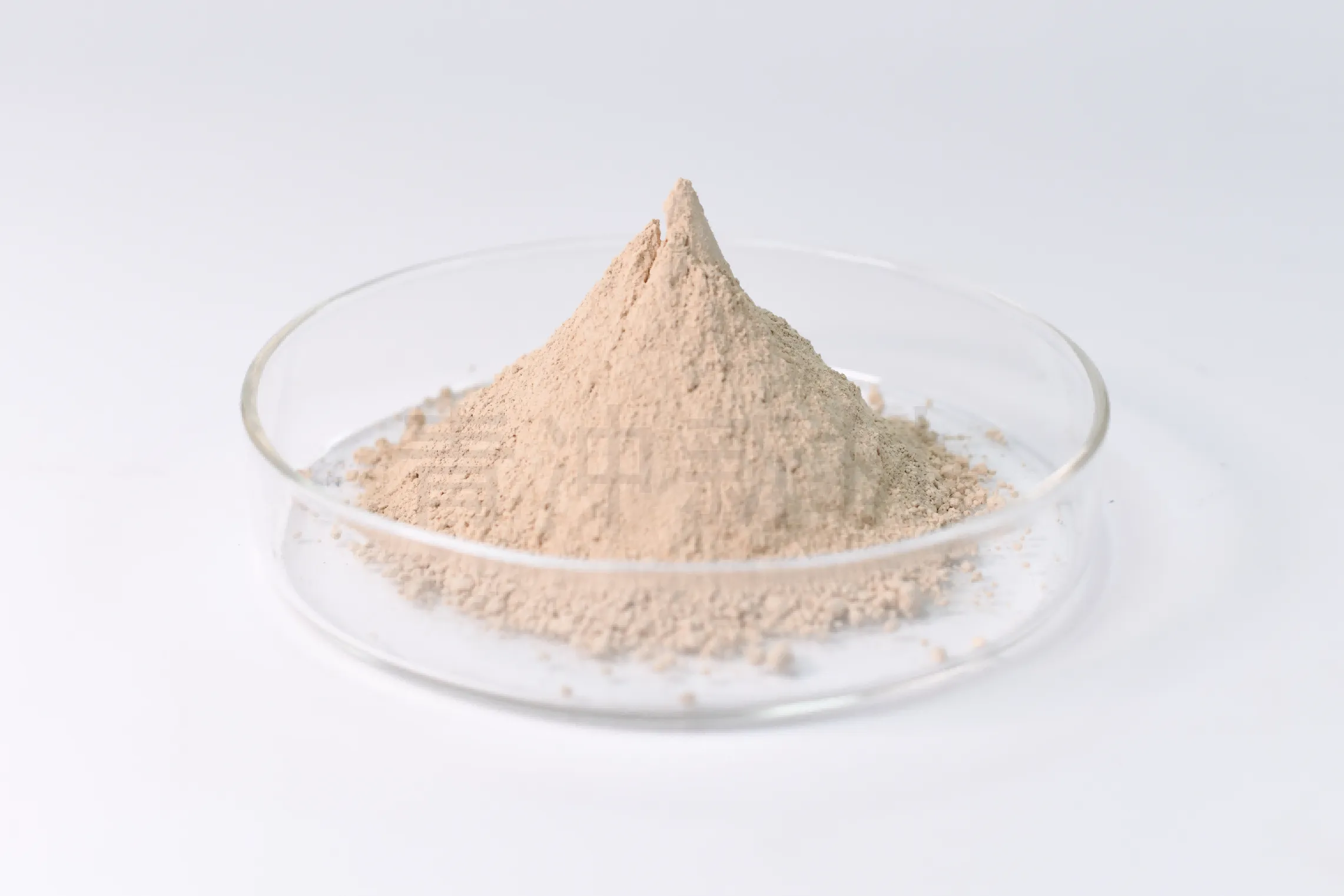
Manganese Carbonate (MnCO₃)

What MnCO3 Contributes to a Conversion Route

The term “precursor” describes a material's role in a process, not a guaranteed grade. In manganese (II) carbonate, manganese is present in the +2 oxidation state and paired with carbonate. Depending on the route, a processor may use carbonate as an input to a reaction that produces another manganese compound. The reaction conditions determine what happens next; the formula MnCO3 by itself does not predict the final material's purity or performance. This distinction matters when comparing supplier documents. An identity statement confirms what compound is being discussed, while an assay, impurity results, and physical-property data describe a particular grade or lot. They answer different questions. A development team might establish that manganese carbonate is chemically suitable in a laboratory route, then still need to establish whether a supplied material behaves consistently in production. QingChong's stated integration of R&D and production provides context for a technical discussion, but no carbonate-specific processing method or grade has been supplied. Ask for the actual material identity and supporting documents before applying any product-level claims to a proposed precursor.
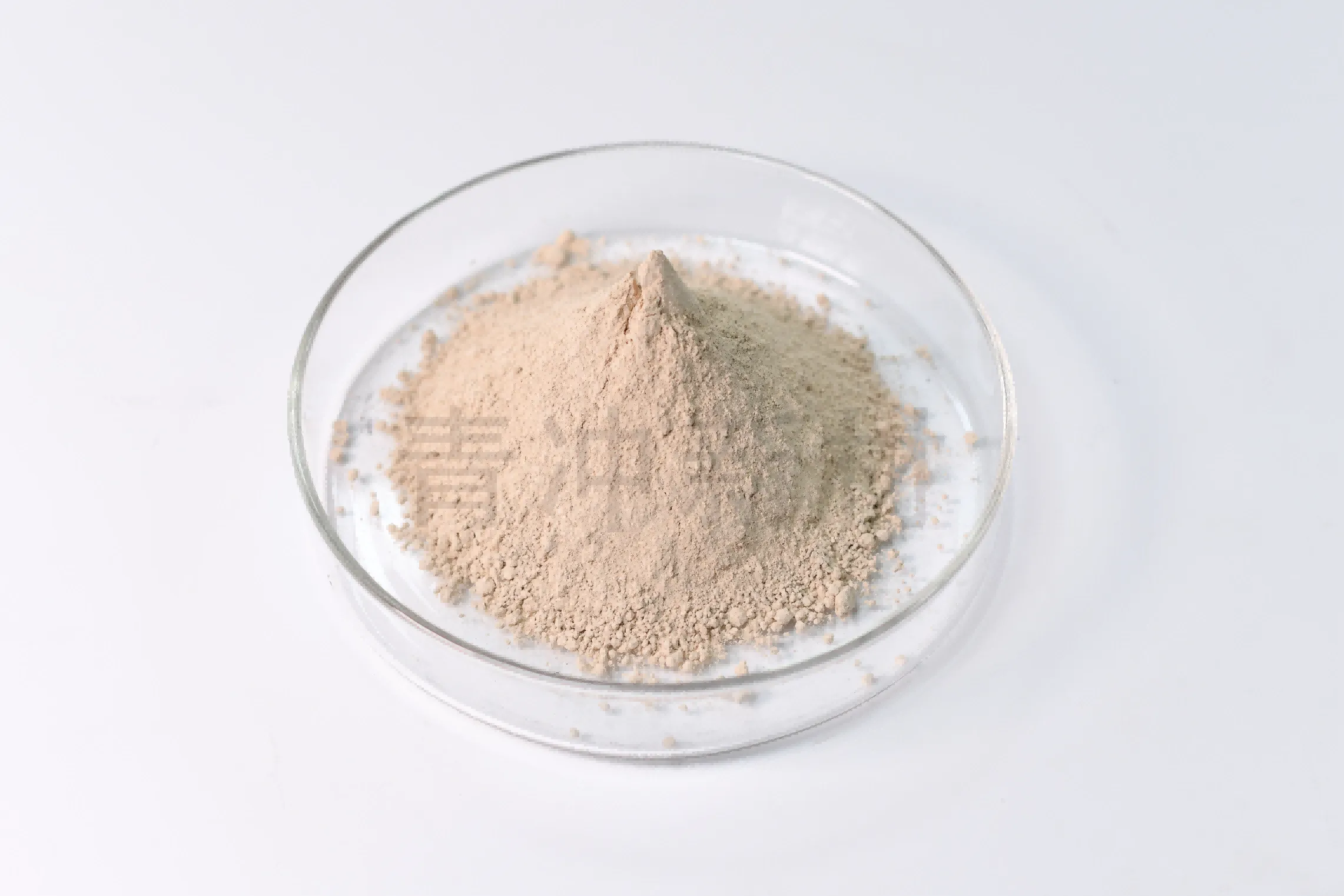
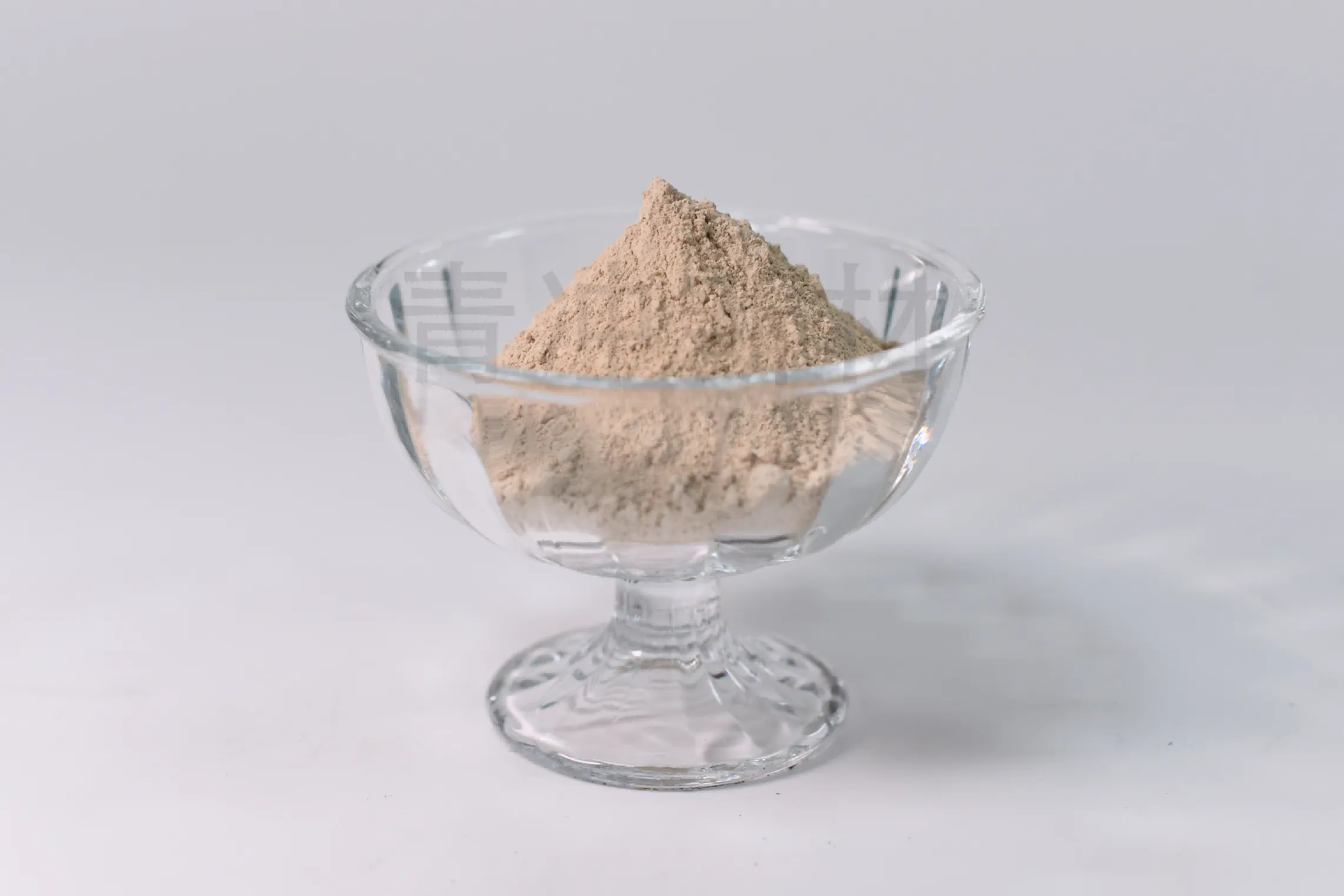
Manganese Carbonate (MnCO₃)

Assess the Conditions That Could Rule Out a Feedstock

A material can have the right chemical name and still be unsuitable for a particular conversion step. Consider how the feedstock enters the process: as a dry powder, into an aqueous reaction, or into a thermal step. Particle behavior may affect handling and reaction consistency; moisture or unwanted constituents may matter if the downstream product has tight acceptance limits. These are evaluation points, not stated properties of a QingChong carbonate product. Start with the conditions that create failure in your own process. If an impurity could carry through to the finished material, define its allowable limit and the test method used to check it. If feed behavior affects charging or mixing, specify the physical measurements your team uses. Then compare those requirements with grade- or lot-specific evidence, if QingChong confirms a relevant supply. The company states that it has a strict quality control system, but that statement cannot replace results for the proposed material. Where a required value has not been documented, leave the fit assessment open rather than assuming that a general-purpose manganese carbonate will work.

Manganese Carbonate (MnCO₃)

Prepare a Carbonate Precursor Inquiry That Can Be Checked

Send QingChong a short technical brief instead of asking only for “precursor manganese (II) carbonate.” Identify the downstream manganese compound, the conversion route at a useful level of detail, and whether the inquiry concerns development work or an established process. Attach your required assay and impurity limits, test methods, and any physical-form or moisture criteria that affect acceptance. Include expected packaging or handling constraints as requirements to be discussed, not as assumptions about an existing product. Ask QingChong to confirm whether it supplies a relevant manganese carbonate material, which grade or grades it proposes, and which specifications and lot-level documents are available for review. If your team requires a particular regulatory or application-specific qualification, name it explicitly and request supporting evidence for that material. QingChong operates a multilingual website and reports global export capabilities, which may help with initial communication, but these facts do not establish shipping terms, lead times, or availability for this compound. Resolve technical fit and documentation first; commercial terms can be discussed against a clearly identified material.

News

Industry updates

Products

Production modules

Why Choose Us

Why Discuss a Manganese Precursor Requirement with QingChong?

QingChong New Materials brings an established manganese-chemicals background to an initial supplier discussion. The company is located in the Xiangtan Manganese Mine area and reports more than 20 years of industry experience. Its integrated R&D, production, and sales operations provide a basis for discussing both the intended conversion route and the documentation a buyer needs to assess a material. QingChong also states that it uses a strict quality control system. At the company level, it passed ISO9001:2008 Quality Management System certification in July 2010 and was certified as a National High-tech Enterprise in September 2019. Those credentials describe the organization; they should not be read as certification of an unspecified manganese carbonate grade or a current certificate for a particular lot. For international buyers, the company's multilingual website and stated export capabilities offer a practical route to opening a discussion across markets. Its stated principles put quality and integrity at the center of its business approach. The next test is documentary: request confirmation of carbonate availability and review material-specific specifications and test results against your own process criteria.

FAQ

Common technical questions

Does the name manganese (II) carbonate tell me its purity?

No. MnCO3 identifies the compound, not the assay or impurity limits of a particular grade. Request a material specification and applicable lot test results before comparing it with your acceptance criteria.

Can I assume this material is suitable for battery-related production?

No. A battery-related route may have its own impurity, process, and qualification requirements. No application-specific carbonate grade or battery qualification was provided here; share your requirements and ask for material-specific evidence.

What should I check when handling a sample in a trial?

Use the supplier's actual safety and handling documents for the proposed material, and follow your site's controls. Record how the sample charges, mixes, and reacts under your trial conditions so you can distinguish handling issues from chemical-fit issues.

What information should I send before requesting a grade recommendation?

Provide the intended downstream product, process route, required assay and impurity limits, test methods, and any moisture or physical-form criteria. Ask QingChong to confirm available grades and supporting documents before selecting one.

Need a solution for your project?

Share your product type, target capacity, and application requirements. Our team can review the details and recommend a practical next step.

Contact Us
Whatsapp
WeChat

CONTACT US

Office Address:21/F,Zhonghan Fortune Building,Ji'an Road, Yuetang District,Xiangtan,Hunan,China

Factory Address: Heling Town, Yuhu District, Xiangtan City, Hunan Province, P.R.China

WhatsApp: 8613786275365

Fax: 86-731-52326088

E-mail: [email protected]